What to Look for in a Gymnastics Gym Before You Sign Your Kid Up
New gymnastics gyms keep opening in the Houston area. That is good news for families — more options, more competition, more reason for gyms to earn your trust.
It also means the decision just got harder.
If you are researching gymnastics classes for your kid right now, here are the things that actually matter. Not the website photos. The real stuff.
Coach Credentials and Staff Background Checks
The single most important thing a gym can tell you is who is teaching your child and whether they have been vetted.
Every coach at a credible gym holds USA Gymnastics credentials or equivalent certification. Every staff member — coaches, aides, front desk, all of them — should have passed an FBI background check. Some gyms list this prominently. Others do not mention it at all.
Ask directly. A gym that is doing this right will answer without hesitation.
K2 Academy has required FBI background checks and Safe Sport training for every staff member since the program launched. It is not a selling point. It is just how you run a program that works with kids.
Class Size and Student-to-Coach Ratio
The gym might look great on a Tuesday afternoon tour. The question is what it looks like at 5pm on a Thursday when 3 classes are running at once.
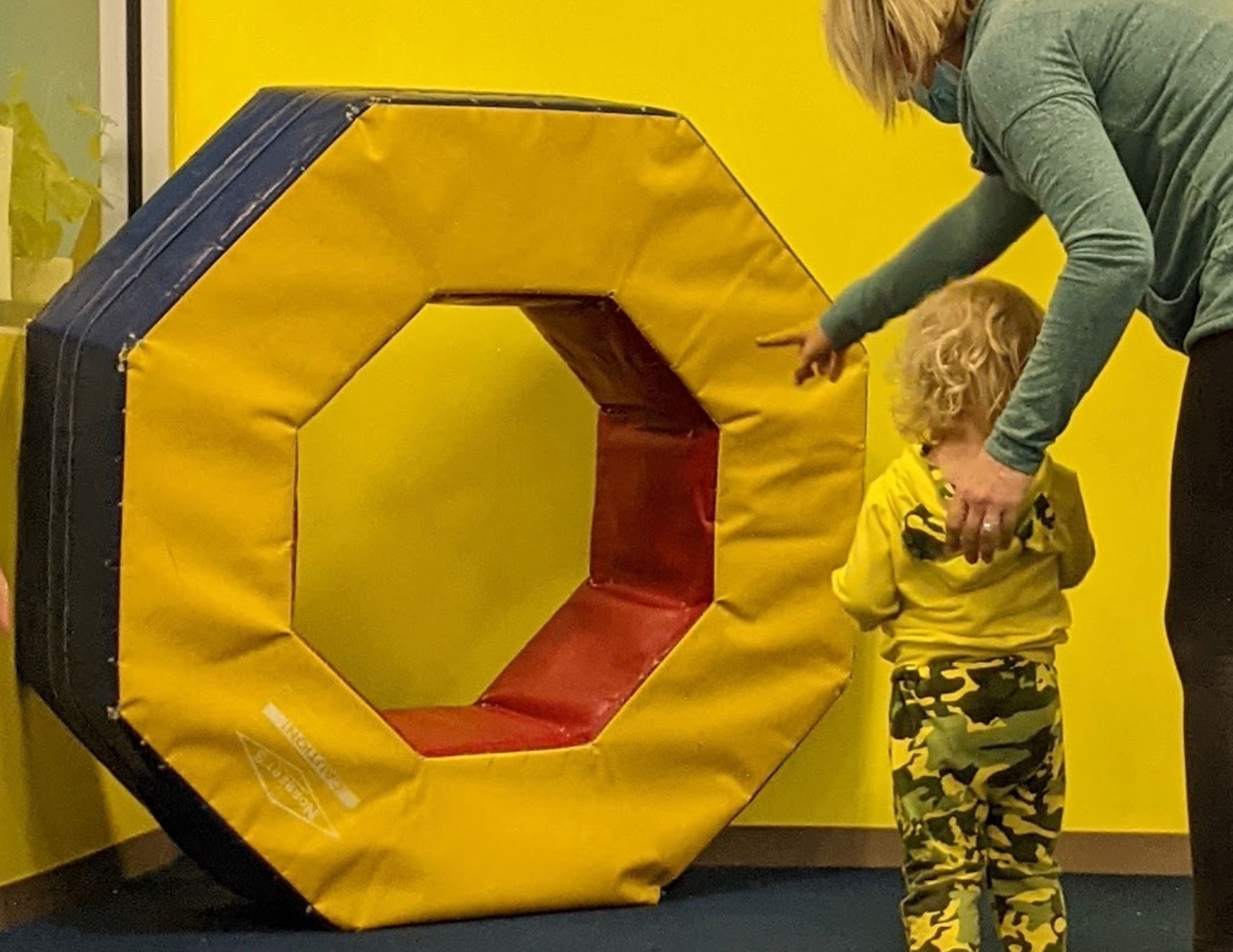
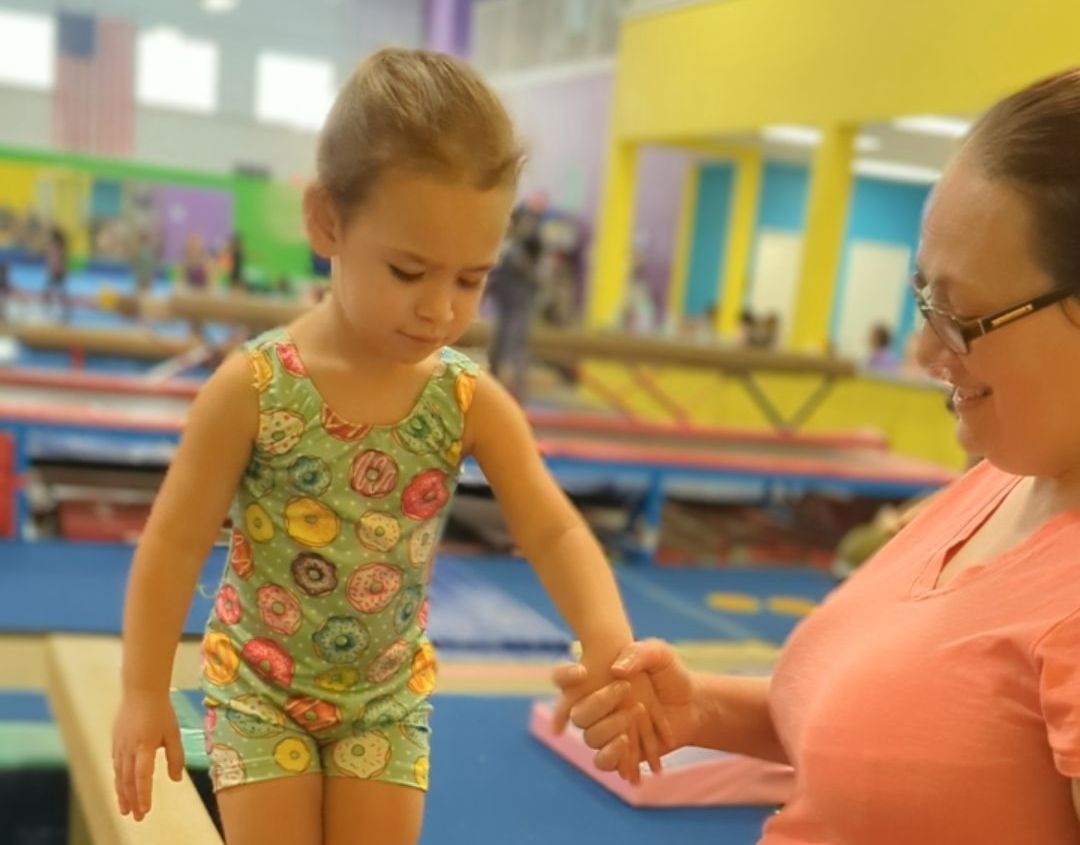
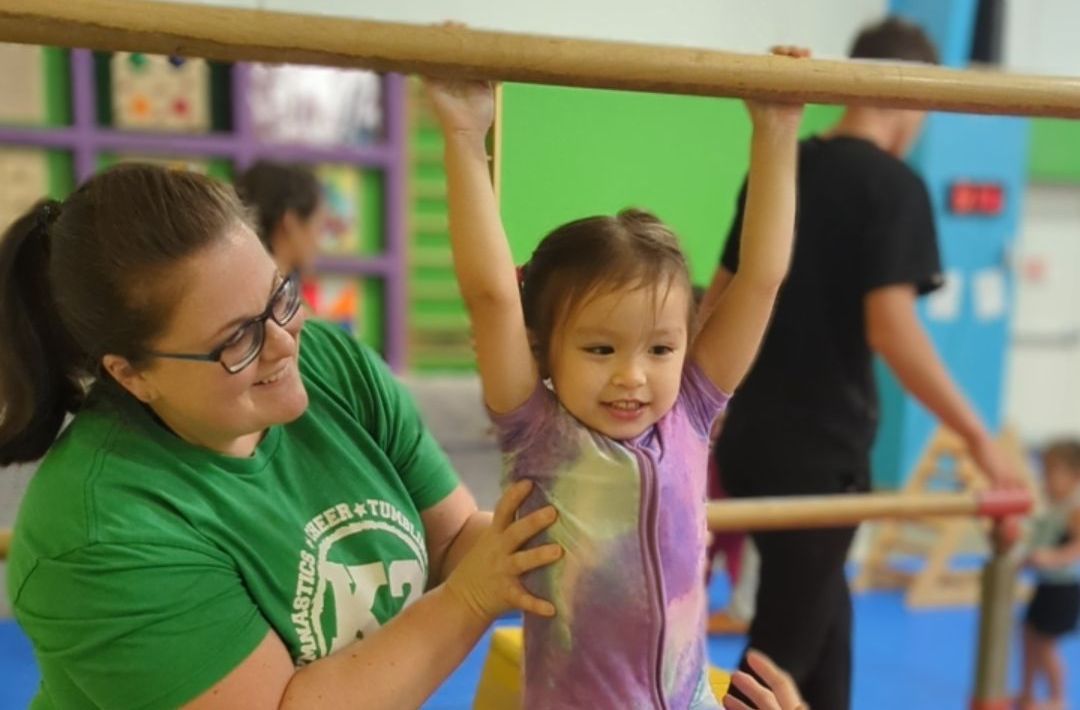
Small class sizes are not just a feel-good feature. They are how kids actually learn. A 4-year-old learning a forward roll needs real-time feedback, not a wave from across the mat.
Ask what the ratio is for the age group your child would be in. Anything above 8:1 for preschool-age kids is worth a follow-up question.
Age-Appropriate Programming (Not Just "Gymnastics")
A gym that runs one class for "kids 3-10" is not a gym with a curriculum. It is a gym filling spots.
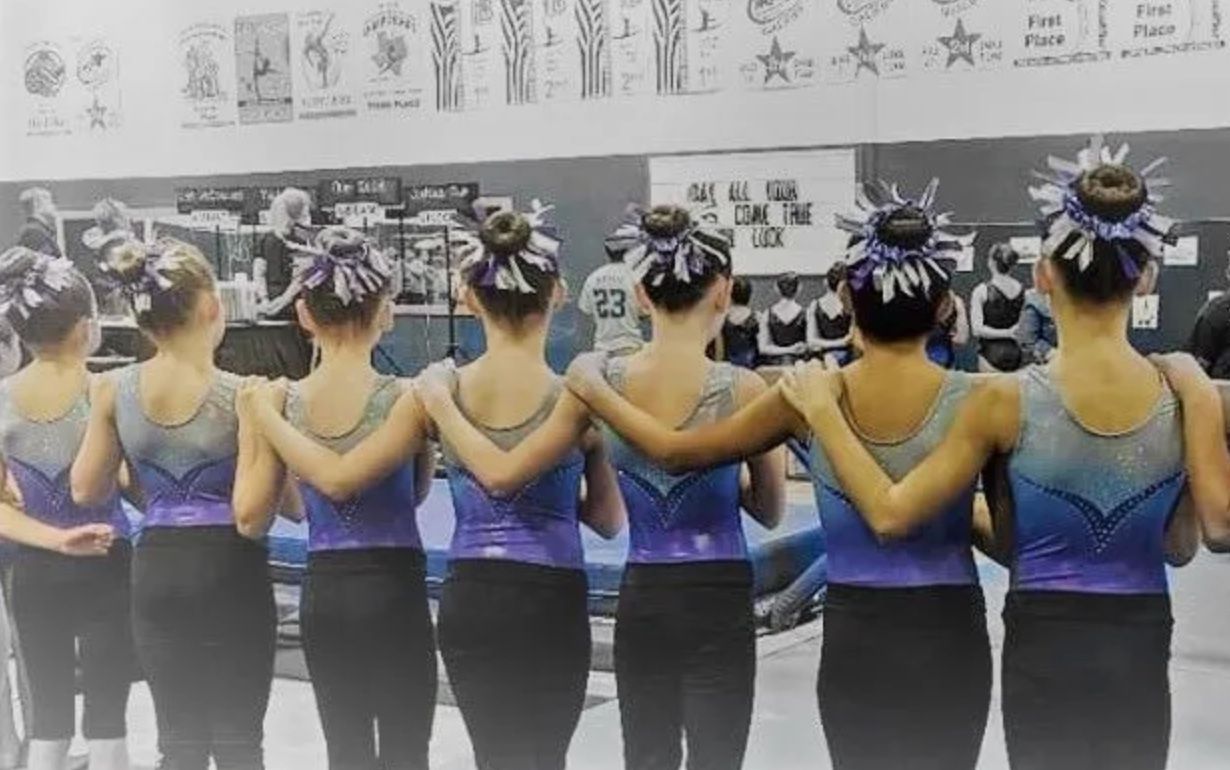
Quality programs are built around specific developmental stages. Preschoolers need to work on gross motor skills, body awareness, and coordination before they ever touch a bar. Elementary-age kids need structured progressions. Tweens need options that go somewhere — competitive tracks, tumbling specialization, or other paths that keep them engaged.
Ask what skill levels and age groups the gym actually separates. Ask what happens when your child is ready to move up. If the answer is vague, that tells you something.
Safety Infrastructure (Not Just Matting)
Thick mats and foam pits are table stakes. What you are really looking for is a culture of safety embedded in how the facility runs.
That means: coaches trained in spotting, not just demonstration. Regular equipment inspections. A clear injury protocol. And a gym that participates in and enforces USA Gymnastics' Safe Sport standards.
It also means someone is watching the full picture, not just the skill in front of them.
Inclusion and Adaptive Options
Most parents do not ask about this until they need it. But a gym's approach to adaptive programming tells you a lot about how it thinks about kids in general.
K2 Academy runs SOAR, a fully inclusive adaptive gymnastics program for children with physical or cognitive disabilities. It is staffed, structured, and treated with the same seriousness as every other program at the facility. (Most gyms in the area do not have anything like it.)
If your child has sensory sensitivities, a processing difference, or any kind of disability, this question belongs at the top of your list.
The Facility Itself
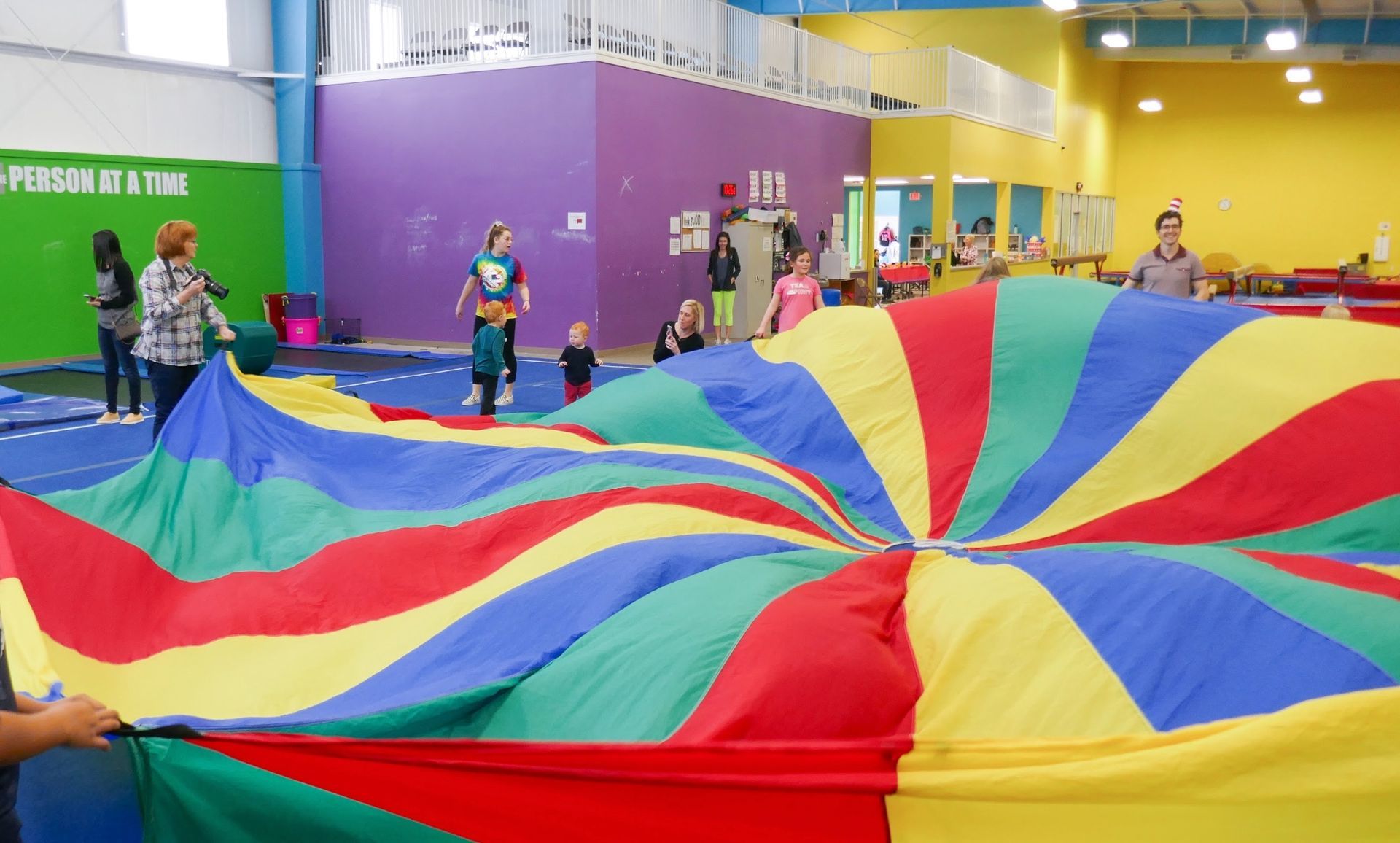
Walk through before you commit. Watch a class if you can. Notice whether kids look engaged or checked out. Notice whether coaches are correcting form or just supervising.
A clean, organized gym with equipment in good condition is a baseline. What you are really watching for is how the coaches interact with kids — specifically, kids who are struggling.
That is where the culture shows up.
K2 Academy has been running gymnastics programs in Cypress since 2005. Programs start at 5 months (Gym Bugs) and run through competitive-level training, with preschool, camps, and after-school all under the same roof.
If you are ready to see it in person, registration is open.